Before You Quit Your Job, Make These 7 Moves to Secure Your Next Role
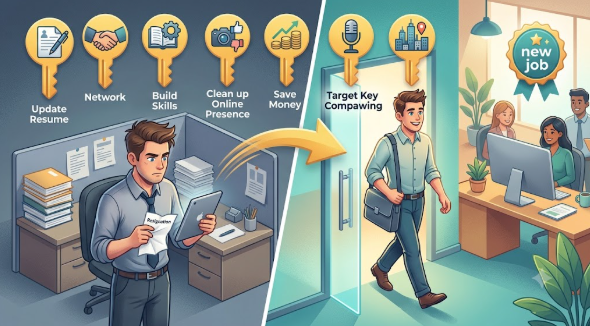
Walking away from a job that feels exhausting, toxic, or simply dead-end can be an incredibly tempting thought. We’ve all had those moments at the end of a frustrating workday where submitting an immediate resignation feels like the ultimate relief.
However, stepping into the job market without a strategic safety net often turns temporary relief into long-term stress. The current hiring landscape moves at its own pace, and landing the right role usually takes longer than expected.
Before you hand in your notice, making a few deliberate, strategic moves while you still have a steady income will put you in a position of power. Here are 7 crucial moves to make before quitting your current job to ensure your next career step is a step up.
1. Audit Your Financial Runway

The fastest way to take a bad job offer out of desperation is running out of money. Before you make any moves, take an honest look at your finances and calculate your exact monthly burn rate.
-
Build a 3–6 Month Cushion: Aim to save enough to cover essential living expenses (rent, utilities, groceries, insurance) for at least three to six months.
-
Account for Hidden Costs: Remember that quitting means losing employer-sponsored benefits like health insurance, which you may need to cover out-of-pocket during your transition.
-
Pause Unnecessary Expenses: Start tightening your budget now. Having financial peace of mind gives you the freedom to negotiate salary confidently rather than accepting the first offer that comes along.
2. Quietly Update Your Personal Branding and Portfolio
When you’re employed, you have the advantage of taking your time to polish how you present yourself professionaly. Don’t wait until you’re unemployed to scramble together a resume and online presence.
-
Document Your Achievements: Gather stats, project wins, conversion rates, and notable accomplishments from your current role before you lose access to internal tools and metrics. (Just ensure you aren’t taking proprietary or confidential company data).
-
Refresh Your LinkedIn Profile: Turn on the “Open to Work” feature, but set its visibility strictly to Recruiters Only so your current employer doesn’t see it.
-
Build or Update Your Portfolio: If you’re in a field that requires visual or written proof of work (like design, copywriting, or software engineering), make sure your best, recent work is cleanly showcased.
3. Reconnect with Your Network Before You Need Them
Networking always works best when you aren’t asking for an immediate favor. Reaching out to old colleagues or industry peers after you’ve quit can sometimes feel transaction-driven. Rebuilding those bridges right now feels far more natural.
-
Start Low-Stakes Conversations: Send a simple message to past teammates, mentors, or former managers just to check in, ask how their projects are going, or grab a casual coffee.
-
Engage Publicly in Your Industry: Comment thoughtfully on posts in your field on LinkedIn or attend industry-specific meetups and webinars.
-
Let Trusted Contacts Know Quietly: If you have exceptionally close, trusted friends in your industry, let them know off-the-record that you’re casually exploring new opportunities.
4. Maximize Your Existing Employee Benefits
Since you’ve earned your benefits package, make sure you use every resource available to you before your employment ends.
-
Schedule Health and Dental Checkups: Get your routine annual exams, dental cleanings, prescription refills, or eye exams out of the way while your insurance coverage is fully active.
-
Use Up Educational Allowances: If your company offers learning stipends, tuition reimbursement, or access to platforms like Coursera or LinkedIn Learning, finish those courses now.
-
Understand Your PTO and Equity Policy: Read your employee handbook carefully. Check whether unused Paid Time Off (PTO) is paid out upon departure in your region, and review the vesting schedule for any stock options or 401(k) company matches.
5. Upskill for the Specific Job You Want Next
Instead of applying to every open job posting, figure out the exact gap between where you are now and the role you want next.
-
Analyze Target Job Descriptions: Pick 5 to 10 job listings for roles you’d love to have. Look for recurring software, certifications, or core skills that keep showing up in the “Requirements” section.
-
Fill the Gaps While Employed: Dedicate an hour a day after work or on weekends to master that specific software, earn a relevant industry certification, or complete a personal project using those tools.
-
Test the Market: Having up-to-date, in-demand skills on your resume instantly makes you a more compelling candidate to hiring managers.
6. Shift Your Mindset to “Quiet Disengagement” at Your Current Job
It is difficult to job hunt, customize cover letters, and attend interviews if you are pouring 120% of your energy and emotion into a job you plan to leave anyway.
-
Set Clear Professional Boundaries: Do your core job duties well and protect your professional reputation, but stop volunteering for unnecessary overtime, late-night emails, or high-stress extra projects.
-
Protect Your Mental Energy: Treat your current job purely as a financial sponsor that funds your transition to your next career move.
-
Use Energy for the Search: Redirect the mental energy you save toward tailoring your resume, practicing interview questions, and researching potential employers.
7. Establish an Interview Strategy and Schedule

Searching for a job while working full-time requires organization, or it quickly becomes overwhelming.
-
Block Time for Job Hunting: Set aside dedicated, consistent hours each week (e.g., 1 hour every morning before work or 2 hours on Sunday afternoons) exclusively for finding and applying to targeted roles.
-
Manage Interview Logistics: Decide how you will handle recruiter phone screens and multi-round interviews. Utilize your personal time, work-from-home days, or lunch breaks strategically so your current workplace remains unaware.
-
Be Selective: Quality far outweighs quantity. Applying thoughtfully to 5 well-matched positions with tailored resumes will yield far better results than firing off 50 generic applications.
The Takeaway
Leaving a job on your own terms—with a clear plan, updated assets, and stable finances—completely changes the dynamic of your career search. Instead of running away from a bad situation out of frustration, you are moving intentionally toward a better opportunity from a position of security and confidence.
Related News

Before You Make Another Career Move, Ask Yourself These 10 Questions

The Difference Between Having a Job and Building a Career Is Bigger Than You Think

You Don’t Need Another Certificate—You May Need to Use Your Skills Differently

If Your Workday Feels Like Groundhog Day, These 8 Career Changes Could Help

The Jobs You’re Qualified for Might Not Be the Jobs You’re Searching For